

Taller Sobre Neurocomunicacion y Lineas Transversales

Date and Time
NEUROCOMMUNICATION: BRAIN AND HEART TO LEAD SUCCESSFULLY
Neurocommunication is a discipline that combines neuroscience knowledge with communication strategies to understand how the human brain processes messages, emotions, and intentions. Applied to leadership, it becomes a powerful tool for positively influencing teams, building trust, and making effective decisions. A good leader doesn't just convey information; they communicate with purpose, empathy, and clarity. Neurocommunication allows us to understand how the mental processes of those who are part of a team work, in order to adapt the message to their emotions, motivations, and cognitive states. This strengthens the emotional connection between the leader and their group, increasing cooperation, commitment, and productivity.
The human brain responds more to emotional stimuli than to rational ones. Therefore, leadership based on emotional intelligence and conscious communication has a greater impact. A neurocommunicative leader knows how to actively listen, interpret nonverbal language, and create safe communication environments where people feel valued and understood.
Furthermore, by understanding how the brain works in contexts of stress or change, leaders can better manage crises, promote the team's emotional well-being, and maintain motivation. Using positive, consistent, and authentic language activates brain areas associated with pleasure and trust, which strengthens the perception of leadership.
Neurocommunication also fosters ethical and empathetic decision-making. A leader who understands the neurological foundations of human behavior can avoid impulsive judgments and promote a more inclusive organizational culture where differences are respected and individual abilities are valued.
We believe it is important to contextualize that neurocommunication offers key tools for exercising more humane, conscious, and effective leadership. In an increasingly complex world, communicating with the brain and the heart is essential for successful leadership.
Follow the event on 2nd July here

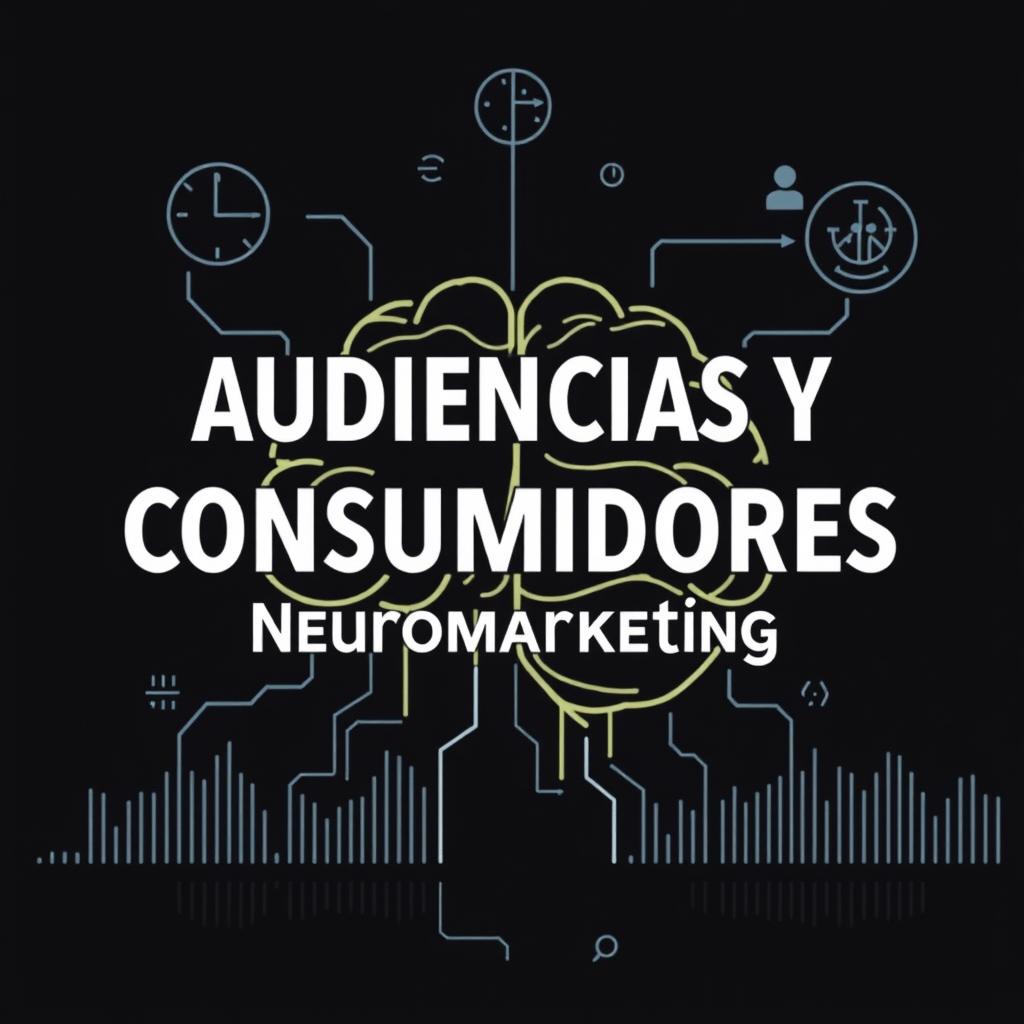
AUDIENCES AND CONSUMERS: APPLICATION OF NEUROMARKETING
Neuromarketing is a discipline that combines principles of neuroscience, psychology, and marketing to understand how consumers react to different commercial stimuli. Its main objective is to understand the brain processes that influence purchasing decisions in order to design more effective and emotional strategies.
In today's context, where audiences are exposed to thousands of advertising messages daily, capturing their attention is a real challenge. This is where neuromarketing offers a unique value: it allows us to understand not only what consumers say they like, but also how they actually react subconsciously to a product, brand, or campaign.
Through techniques such as functional magnetic resonance imaging (fMRI), eye tracking, or facial expression analysis, companies can discover which colors, sounds, words, or images generate the greatest emotional impact. Political speeches, advertisements, and so on, that are able to activate brain areas related to reward and pleasure are more likely to be remembered with a positive attitude toward them.
Neuromarketing helps to better segment audiences by identifying behavioral patterns and emotional preferences, allowing for the creation of personalized, more relatable, and relevant messages for different consumer groups. It is also used to improve the user experience in physical stores and digital platforms, optimizing everything from product layout to web design.
Understanding how to influence consumers' minds should not become manipulation (shall we talk about ethics?), but rather a tool for offering products and services that truly connect with their needs, desires, and values. We can transform the way brands relate to their audiences by understanding how consumers' brains work, and companies can create more meaningful, authentic, and effective experiences, generating lasting bonds based on emotion and trust.
Follow the event on 3rd July here
THIS SEMINAR WILL TAKE PLACE IN SPANISH
Speaker: Almudena Barrientos-Báez (Universidad Complutense de Madrid (UCM); Facultad de Ciencias de la Información; Departamento de Teorías y Análisis de la Comunicación (TAC); Grupo Complutense de Investigación en Comunicación CONCILIUM (931.791)
Sponsors: RCCHU; Universidad Complutense de Madrid; Universidad de Harvard; Grupo Complutense de Investigación en Comunicación CONCILIUM (931.791) -Validación de modelos de comunicación, neurocomunicación, empresa, redes sociales y género-