

Rethinking Language Teaching in the Age of AI

Date and Time
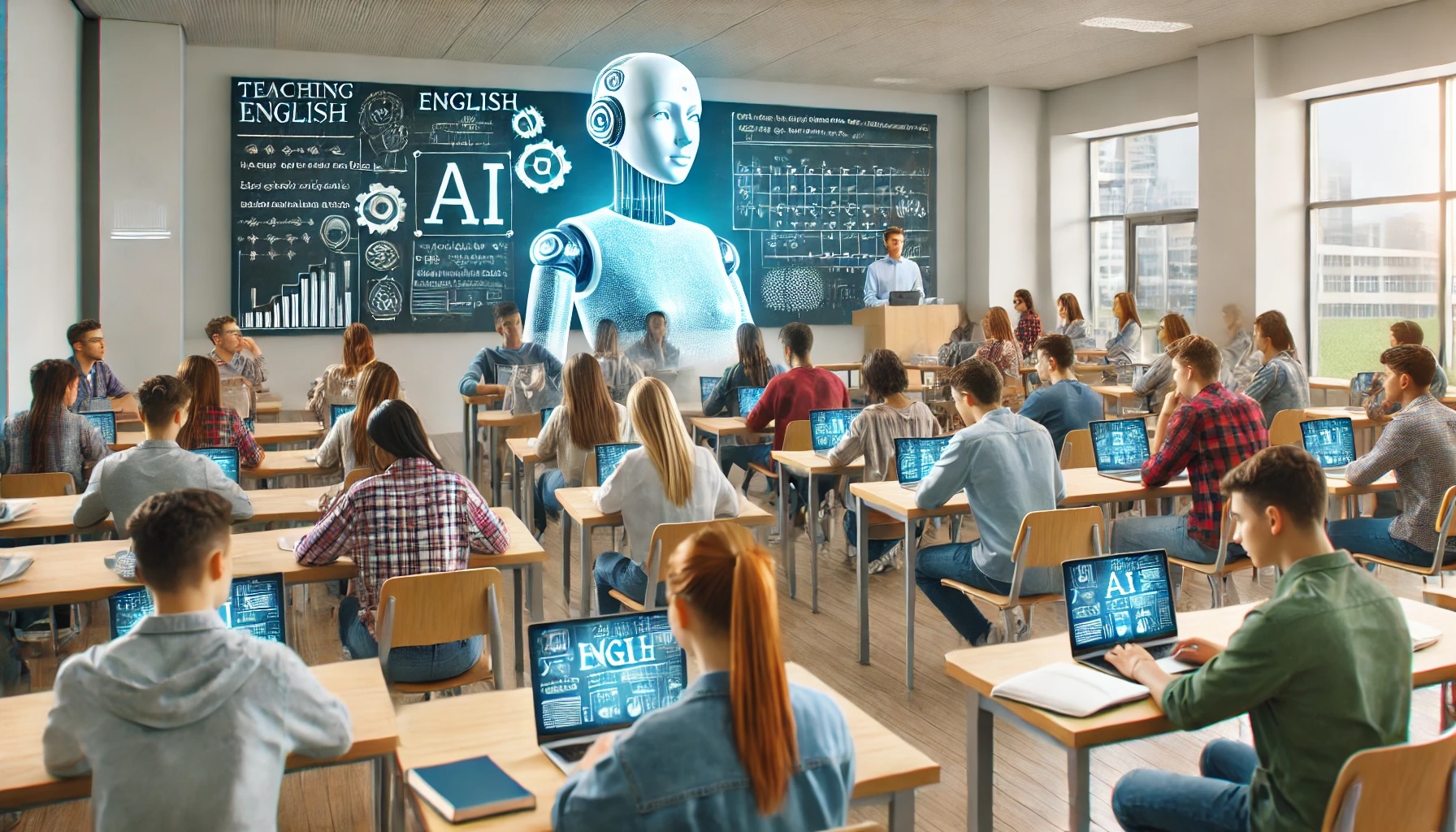
This talk explores how generative artificial intelligence is transforming the field of language education. As AI tools such as ChatGPT, image generators, and speech synthesis platforms become increasingly accessible, language educators are faced with the need to rethink traditional practices, pedagogical goals, and learner engagement.
The session examines the ethical, cognitive, and methodological implications of integrating AI into language teaching and learning. It addresses key questions such as: What new literacies are required in an AI-mediated classroom? How can educators maintain a human-centered approach in the face of automation? And how can these tools be used to support—not replace—meaningful communication, critical thinking, and creativity?
In addition to emerging AI-powered platforms, widely used applications such as Duolingo, Babbel, Rosetta Stone, or Busuu are also increasingly incorporating adaptive learning technologies and machine learning algorithms. These tools, while familiar to many learners, reflect broader shifts in how language input, feedback, and progression are being personalized and scaled through data-driven approaches.
Participants are invited to reflect on how AI can serve not only as a technological aid, but also as a catalyst for innovation, inclusion, and deeper reflection on the role of language education in the 21st century.
Speaker: Dra. Marián G. Rúa (Departamento de Filología Inglesa, Francesa y Alemana
Facultad de Filosofía y Letras, Universidad de Oviedo).
Sponsors: RCCHU; Harvard University; University of Oviedo.